
Botox for TMJ & Jaw Pain Barrie
Therapeutic Botox to ease TMJ tension, jaw pain and teeth grinding.
Patient-Focused Botox for TMJ & Jaw Pain
Picture waking up in your Holly neighbourhood home with your jaw locked shut. Or trying to enjoy dinner at a Bayfield restaurant, only to wince every time you chew. Maybe you’re sitting at your desk in downtown Barrie, and that familiar ache starts creeping up from your jaw to your temples again.
Sound familiar? You’re not alone. TMJ disorders affect millions of people, and here in Barrie, we see patients from Allandale to Ardagh Bluffs who’ve been dealing with jaw pain for months or even years.
At Yonge Forest Dental, we’ve seen how jaw pain can turn simple daily activities into challenges. Dr. Jessica Chau, who has extensive experience with TMJ treatment, has helped countless Barrie residents find relief through medical Botox treatment for TMJ and jaw pain. And for many patients, it offers meaningful relief.
This service falls under our dental clinic services, providing medical treatment for TMJ-related jaw pain and muscle disorders.
What Exactly Is Botox for TMJ?
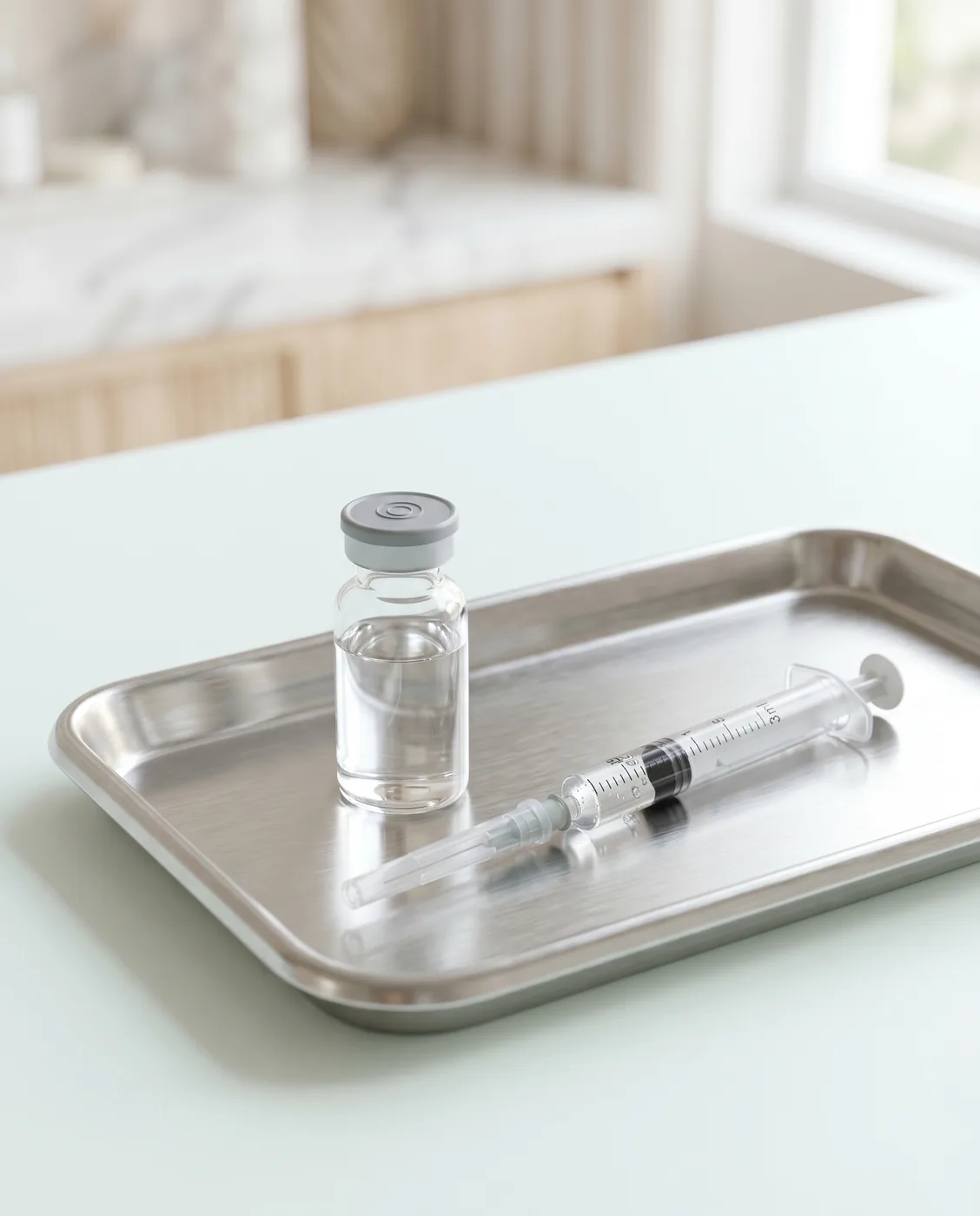
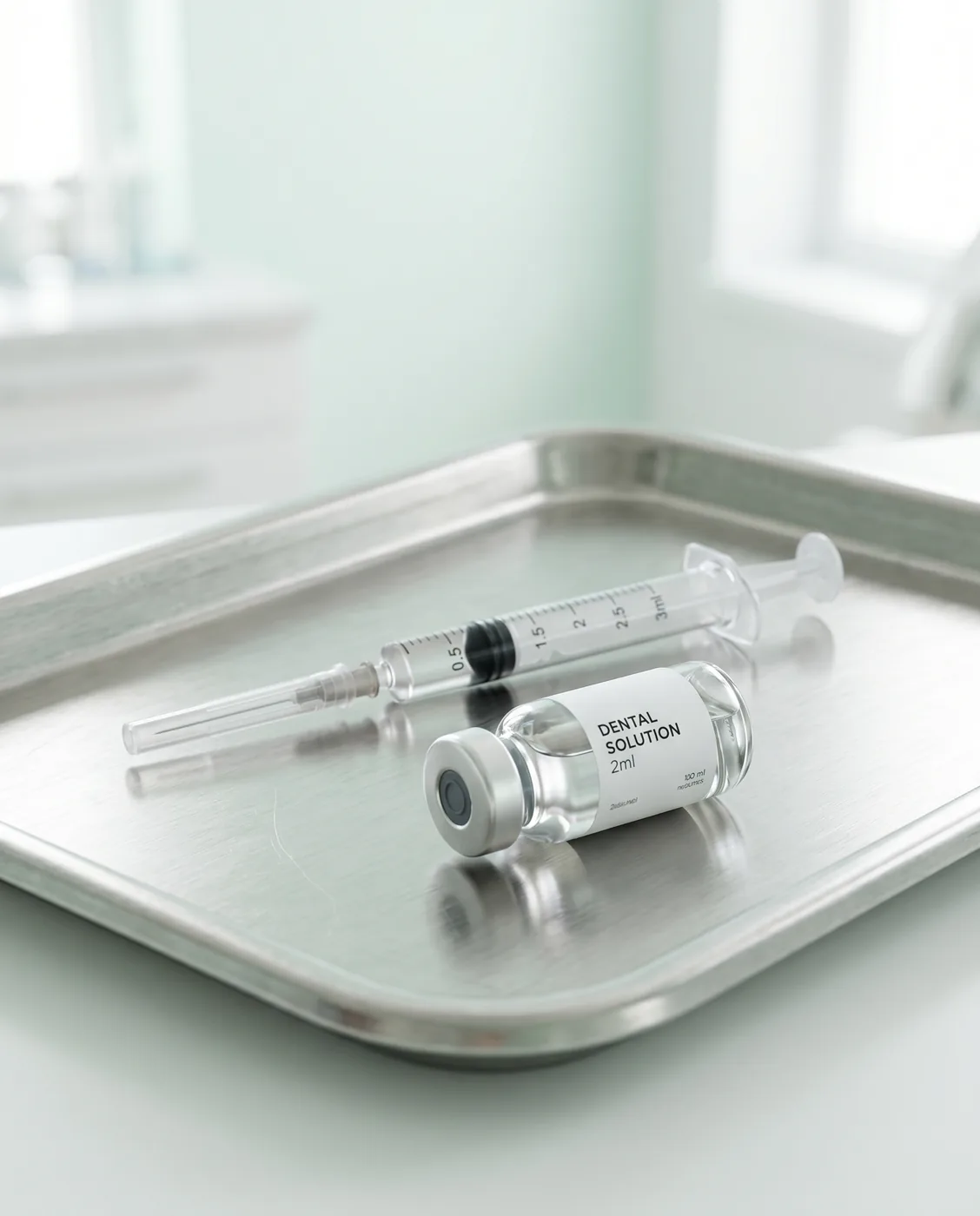
Let’s get straight to the point. Botox for TMJ is a medical treatment that uses purified botulinum toxin specifically for therapeutic purposes. When injected into specific jaw muscles, Botox blocks nerve signals that cause muscle contractions. This means your overactive jaw muscles can finally relax.
Think of it like this: if your jaw muscles are a car with a stuck gas pedal, Botox is the brake that lets them slow down and stop overworking.
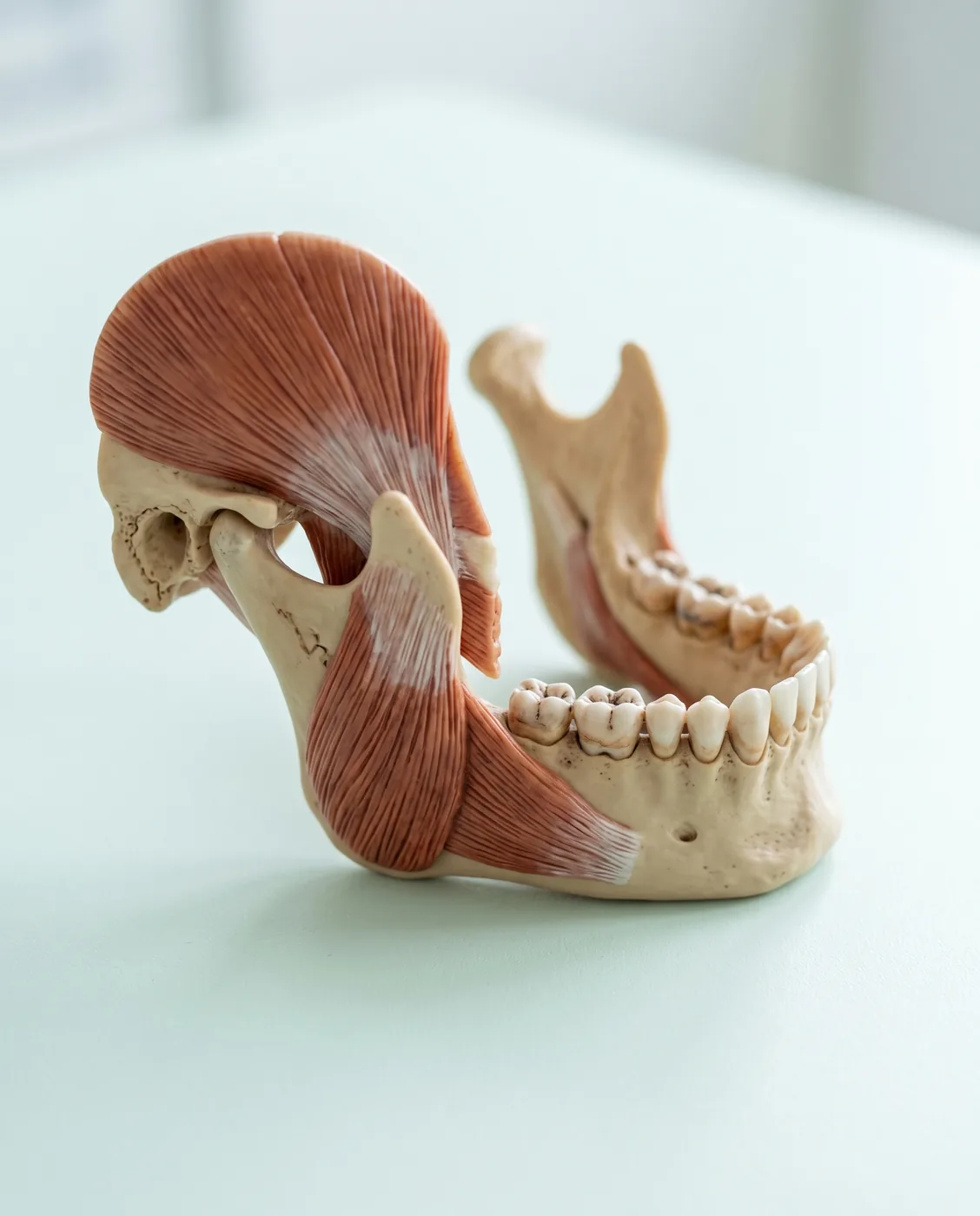
The treatment targets the masseter muscles (the big chewing muscles at the sides of your jaw) and sometimes the temporalis muscles (the ones near your temples). These muscles often become overactive in people with TMJ disorders, leading to pain, tension, and sometimes even tooth damage from grinding.
Dr. Chau administers these injections right here in our Barrie dental clinic . The procedure is minimally invasive and takes about 15-20 minutes. Most patients can drive themselves home afterward and return to their normal activities the same day.
Who Actually Needs Botox for TMJ?
You might benefit from Botox for TMJ if you experience:
Daily jaw clenching – This often happens without you even realizing it. Maybe you’re stressed about work, dealing with traffic, or just have a habit of keeping your jaw tight throughout the day.
Nighttime teeth grinding (bruxism) – Your partner might hear you grinding your teeth at night, or you might wake up with a sore jaw. Many of our Painswick and Letitia Heights patients discover they grind their teeth when their dentist shows them worn-down tooth surfaces.
Jaw muscle pain and tension – This can feel like a constant ache, or it might spike when you eat, talk, or yawn. The pain might stay in your jaw or spread to your neck, shoulders, or head.
Frequent headaches – TMJ-related headaches often start near your temples and can feel like tension headaches. If you get headaches regularly and they seem connected to jaw tension, TMJ might be the culprit.
Limited jaw movement – Maybe you can’t open your mouth as wide as you used to, or your jaw feels stiff when you try to eat something big like a sandwich.
Jaw clicking or popping – While not always painful, these sounds often indicate that your jaw joint isn’t moving smoothly.
The good news? Botox can help with all of these issues. It won’t fix structural problems with your jaw joint, but it can significantly reduce muscle-related pain and tension.
How Much Botox Do You Actually Need?
During your consultation with Dr. Chau, she’ll examine your jaw muscles to determine which ones are overactive and causing your symptoms. She’ll feel for tight spots, ask you to clench and release your jaw, and discuss your specific symptoms.
Most patients need between 50 to 100 units of Botox for TMJ treatment. The exact amount depends on:
- How strong and developed your jaw muscles are
- Which specific muscles are causing problems
- How severe your symptoms are
- How you’ve responded to other treatments
Dr. Chau typically injects Botox into 2-4 sites on each side of your face. The masseter muscles (your main chewing muscles) usually get the most attention, but she might also treat the temporalis muscles if you’re getting headaches or temple pain.
The effects usually start within a few days and reach their peak around two weeks after treatment. Most patients see improvement for 3-4 months before needing another treatment session.
Why Choose Botox Over Other TMJ Treatments?
Here’s the honest truth: different treatments work for different people. Night guards are great for protecting your teeth from grinding, but they don’t always stop the muscle tension that causes pain. Physical therapy can be helpful, but it takes time and consistent effort. Pain medications might provide temporary relief, but they don’t address the root cause.
Botox works differently. It directly targets the overactive muscles that are causing your symptoms. For many patients, it provides more significant and longer-lasting relief than other treatments.
Plus, Botox is relatively low-maintenance. Once Dr. Chau determines the right dosage and injection sites for you, follow-up treatments are quick and straightforward.
What to Expect During Your Botox Treatment
The actual injection process is quick. Dr. Chau uses very fine needles, so most patients describe the sensation as similar to a small pinch. Some areas might be more sensitive than others, but the discomfort is brief.
After your treatment, you can head home right away. You might have some minor swelling or tenderness at the injection sites, but this usually goes away within a day or two. Dr. Chau will give you specific aftercare instructions, which typically include avoiding rubbing the injection sites and staying upright for a few hours.
Most patients start noticing improvements within 3-7 days. Your jaw muscles will gradually relax, and you should experience less pain, tension, and grinding.
Life After Botox: What Our Barrie Patients Tell Us
Many patients say they sleep better because they’re not grinding their teeth at night. They wake up without jaw pain or headaches. Some notice they’re not unconsciously clenching their teeth during stressful situations anymore.
Others tell us they can enjoy meals again without wincing. They can laugh, yawn, or talk for extended periods without their jaw muscles getting tired or sore.
Is Botox for TMJ Right for You?
Botox isn’t the right solution for everyone with jaw pain. It works best for muscle-related TMJ issues rather than structural problems with the jaw joint itself.
You might be a good candidate if:
- Your jaw pain is primarily muscle-related
- You clench or grind your teeth
- Other treatments haven’t provided sufficient relief
- You’re looking for a treatment that doesn’t require daily commitment
- You want to avoid or reduce reliance on pain medications
You might want to consider other options if:
- Your TMJ is primarily caused by structural joint problems
- You’re pregnant or breastfeeding
- You have certain neurological conditions
- You’re taking specific medications that interact with Botox
Dr. Chau will discuss your medical history and current symptoms to determine if Botox is appropriate for your situation.
Botox vs. Other TMJ Treatments: Making the Right Choice
At Yonge Forest Dental, we believe in giving you all the information you need to make an informed decision about your treatment.
Night Guards
Night guards are often the first treatment dentists recommend for teeth grinding. They protect your teeth from damage but don’t always stop the muscle tension that causes pain. Some patients find relief with night guards alone, while others need additional treatment.
Physical Therapy
Physical therapy can help with jaw muscle coordination and strengthening. It’s particularly helpful if your TMJ is related to posture problems or muscle imbalances. However, it requires regular appointments and home exercises.
Pain Medications
Pain medications can provide temporary relief but don’t address the underlying muscle tension. Long-term use of pain medications also comes with potential side effects.
Stress Management
Stress management techniques like meditation, yoga, or counseling can be helpful since stress often contributes to jaw clenching. These approaches work well alongside other treatments.
Botox
Botox directly targets the overactive muscles causing your symptoms. It can be used alone or combined with other treatments for better results.
Dr. Chau often recommends a combination approach. For example, you might use Botox to reduce muscle tension while also wearing a night guard to protect your teeth and practicing stress management techniques.
The Science Behind Botox for TMJ
Let’s talk about why Botox actually works for jaw pain. Your jaw muscles receive signals from nerves telling them when to contract. In people with TMJ, these muscles often get stuck in an overactive state, constantly receiving signals to stay tight.
Botox blocks the release of acetylcholine, a chemical messenger that tells muscles to contract. When these signals are blocked, the muscles can’t maintain their constant state of tension. They relax, reducing pain and preventing grinding.
This isn’t a permanent change. Your body gradually breaks down the Botox, and nerve communication returns to normal over 3-4 months. That’s why most patients need repeat treatments to maintain their results.
Research supports the use of Botox for TMJ disorders. Multiple studies have shown significant improvement in jaw pain, muscle tenderness, and overall quality of life for patients who receive Botox treatment.
Living in Barrie with TMJ: Local Considerations
Living with TMJ in Barrie comes with its own unique challenges. Maybe you avoid certain restaurants because chewing is painful, or you skip events at Heritage Park because you know you’ll clench your jaw in crowded situations.
Our patients from different Barrie neighbourhoods face different triggers. Those commuting from Holly or Ardagh to Toronto might find their jaw tension worsens during long drives. Students at Georgian College might notice more grinding during exam periods.
The good news is that Botox treatment can help you get back to enjoying everything Barrie has to offer. You can grab dinner downtown without worrying about jaw pain. You can laugh at comedy shows at the Five Points without your jaw muscles getting tired.
Cost and Insurance Considerations
Botox for TMJ is considered a medical treatment, not a cosmetic procedure . Many insurance plans provide coverage for medical Botox treatments, though coverage varies between plans.
At Yonge Forest Dental, we offer direct billing for many insurance plans. Our team can help you understand your coverage and submit claims on your behalf. If you’re paying out of pocket, we also offer financing options to make treatment more affordable.
The cost of Botox treatment depends on how many units you need and how often you need treatment. Dr. Chau will give you a clear estimate during your consultation so you know exactly what to expect.
Taking the Next Step
If you’re tired of dealing with jaw pain, headaches, or teeth grinding, it might be time to explore Botox treatment. Dr. Chau has helped many Barrie residents find relief from TMJ symptoms through targeted Botox injections.
Your first step is scheduling a consultation. During this appointment, Dr. Chau will examine your jaw, discuss your symptoms, and explain whether Botox is right for your specific situation. She’ll also answer any questions you have about the treatment process, costs, and expected results.
Don’t let jaw pain control your life. Whether you’re dealing with morning headaches in your Bayshore home, jaw clicking during lunch in Allandale, or nighttime grinding that’s affecting your sleep, there are treatment options available.
Schedule Your TMJ Consultation Today
Ready to learn more about Botox for TMJ and jaw pain in Barrie? Contact Yonge Forest Dental today to schedule your consultation with Dr. Jessica Chau.
Phone: 249-888-2001 Email: [email protected] Address: 681 Yonge Street, Commercial Unit 2 & 3, Barrie, ON
Our clinic is conveniently located on Yonge Street, easily accessible from all Barrie neighbourhoods including Holly, Painswick, Bayfield, Allandale, and Ardagh. We offer convenient Saturday hours and same-day emergency services .
Take the first step toward relief from TMJ pain. Your jaw – and your quality of life – will thank you.
What Our Patients Say
Real stories from the families we care for across Barrie and Simcoe County.
Book Your Visit
Conveniently located on Yonge Street in south Barrie, with free parking behind the building.
- Address: 681 Yonge St, Barrie, ON L9J 0K1
- Phone: 249-888-2001
- Email: info@yongeforestdental.com
Affiliations
Yonge Forest Dental is proud to be affiliated with the dental community's leading regulatory bodies, associations, and certification boards.

Ready to talk about botox for tmj & jaw pain?
Join the Yonge Forest Dental family — book online or call us today.