
What to Expect Every Step of the Way
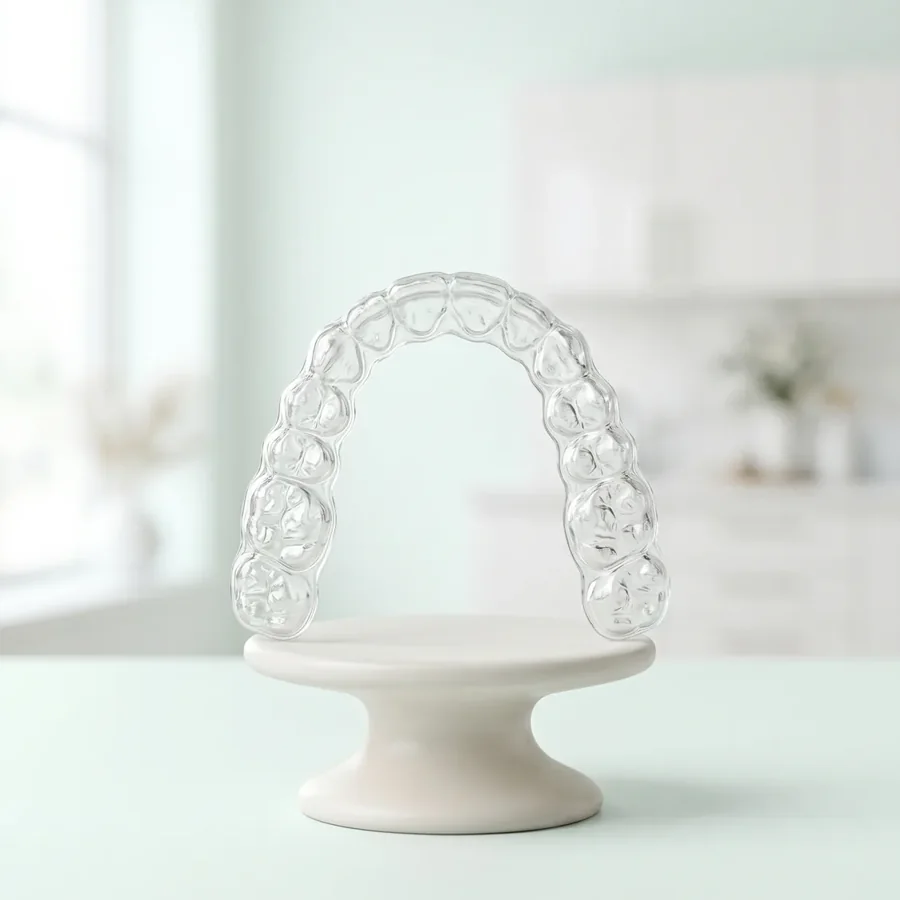
Choosing to improve your smile is an exciting decision, and Invisalign makes the journey comfortable, discreet, and effective. If you’re curious about how Invisalign works and what you can expect from start to finish, this guide is for you.
Invisalign is more than just a set of clear aligners—it’s a step-by-step transformation customized for your teeth and lifestyle. In this blog, we’ll walk you through each stage of the Invisalign process : before treatment begins, what happens during treatment, and how to maintain your results afterward.
Before Treatment: The Planning Phase
1. Your Initial Consultation
Your Invisalign journey begins with a visit to a dentist who offers Invisalign treatment. During this first appointment, your provider will evaluate your teeth, bite alignment, and overall oral health to determine if Invisalign is right for you.
If you’re a good candidate, your dentist will take digital scans or impressions of your teeth to begin crafting your personalized treatment plan.
2. Digital Smile Preview
Using 3D imaging technology, your dentist will create a digital model of your mouth and simulate how your teeth will move throughout the process. You’ll get to see a virtual preview of your future smile, often one of the most exciting moments of the consultation.
This stage ensures that every tooth movement is carefully planned before the first aligner is even created.
3. Receiving Your Aligners
Once your treatment plan is approved, your custom aligners will be created. Each set is designed to move your teeth gradually over time. You’ll typically receive multiple aligners at once, with instructions on when to switch to the next set (usually every 1 to 2 weeks).
During Treatment: The Active Phase
1. Wearing Your Aligners
You’ll wear your aligners for 20 to 22 hours per day , removing them only to eat, drink (anything other than water), brush, and floss. The aligners are designed to fit snugly and apply gentle pressure to shift your teeth according to your treatment plan.
At first, you may experience slight discomfort or tightness as your teeth begin to move—this is completely normal and usually subsides within a few days.
2. Adapting to Everyday Life
One of the biggest advantages of Invisalign is how well it integrates into your daily routine. There are no food restrictions , no emergency visits for broken wires, and minimal interference with speech after the initial adjustment period.
Since the aligners are removable, you can maintain your oral hygiene more easily than with traditional braces. Simply take out the trays to brush and floss as usual.
Helpful tip: Clean your aligners daily with a soft toothbrush or Invisalign cleaning crystals to prevent buildup and maintain clarity.
3. Progress Checkups
You’ll have regular check-ins with your dentist, usually every 6 to 8 weeks. These appointments are quick and ensure that your treatment is on track. Your dentist may make small adjustments or provide your next set of aligners.
The total duration of your Invisalign treatment can vary but typically lasts between 6 to 15 months , depending on the complexity of your case.
4. Tracking Your Results
As the weeks pass, you’ll start noticing real changes. Gaps close, crowding improves, and your bite becomes more balanced. Many patients report a confidence boost even halfway through treatment as their teeth start to align.
After Treatment: Maintaining Your Smile
1. Finishing Your Final Aligner Set
Congratulations! Once you’ve completed your final set of aligners, your teeth should now be in their ideal position. But your Invisalign journey isn’t over just yet—retention is key to keeping that beautiful new smile in place.
2. Wearing a Retainer
Your dentist will provide you with a custom retainer , often made of a similar clear material as your aligners. Retainers prevent your teeth from shifting back into their original positions. In the beginning, you’ll likely wear it full-time, then transition to nighttime wear as directed.
Think of it as long-term insurance for the smile you’ve worked hard to achieve.
3. Routine Dental Care
It’s important to continue your routine dental checkups and cleanings after Invisalign treatment . Your dentist will keep an eye on your bite and ensure that your smile remains healthy and stable for years to come.
Daily brushing, flossing, and retainer care are essential for maintaining your results.
FAQs About the Invisalign Journey
How do I know if I’m a good candidate for Invisalign?
Invisalign can treat a wide range of cases, from mild crowding to more complex bite issues. The best way to find out is to schedule a consultation with an experienced Invisalign provider.
Will Invisalign affect how I talk?
Some patients notice a slight lisp for the first few days of treatment, but it usually goes away as you get used to the aligners.
Can I eat or drink with the aligners in?
It’s recommended to remove your aligners when eating or drinking anything other than water to prevent staining or damage.
What happens if I lose one of my aligners?
Contact your dentist in Barrie right away. They may recommend going back to your previous aligner or moving forward to the next one, depending on how far along you were.
How long will I need to wear a retainer after treatment?
Most patients need to wear a retainer at night indefinitely to prevent shifting, though the exact timeline can vary by case.
Ready to Start Your Invisalign Journey?
Invisalign offers a smooth, comfortable, and confidence-boosting path to a straighter smile. From your initial consultation to life after aligners, knowing what to expect at each stage can help you make the most of your experience.
Barrie’s Clear Choice for Invisalign: Yonge Forest Dental
Considering Invisalign? If you’re located in or around Barrie, ON , the trusted team at Yonge Forest Dental is here to guide you through your Invisalign journey with care, precision, and a personalized approach.
Call us today at 249-888-2001 to schedule your Invisalign consultation and take the first step toward a straighter, healthier smile.
Everyday Habits That Keep You On Track
Aligners only work when they are actually in your mouth, and the general guideline many patients follow is around 20 to 22 hours a day. That number can feel intimidating at first, but it usually comes down to a few small routines. The trick is to build the trays into the rhythm of your day rather than treating them as something extra to remember.
A few practical habits can make the difference between smooth progress and a stalled timeline:
- Put the aligners back in as soon as you finish eating or drinking anything other than water.
- Carry your case with you so you always have a clean, safe place to store them, rather than wrapping them in a napkin where they can be tossed out.
- Set a quiet phone reminder for the days you move to a new tray, so you do not lose track of when to switch.
- Keep a small travel toothbrush handy for quick clean-ups when you are away from home.
None of this needs to be perfect. Life happens, and the occasional long dinner will not undo your progress. What matters is the overall pattern, and if you find yourself consistently falling short on wear time, let our team know so we can help you adjust.
Easing the Mild Tightness of a New Tray
Each new aligner is designed to move your teeth a little further, so it is common to feel some pressure or mild tightness for the first day or two. Many patients describe it as a snug, slightly achy sensation rather than sharp pain, and it typically eases as your teeth settle into the new position. It is a sign the tray is doing its job.
If a new set feels uncomfortable, there are a few gentle ways to manage it. Switching to a new tray at bedtime can help, since you sleep through the most noticeable part of the adjustment. Sticking to softer foods for a day, sipping cool water, and using an over-the-counter pain reliever as directed may also take the edge off. If the tightness feels severe, does not settle after a few days, or an aligner has a rough edge that irritates your cheek, give us a call at 249-888-2001 so we can check that everything is tracking as it should.
Keeping Your Aligners Fresh and Clear
Because aligners sit against your teeth for most of the day, they can pick up odour, cloudiness, or staining if they are not cleaned regularly. The good news is that keeping them fresh is simple once it becomes a habit. Rinse your trays every time you take them out, and give them a gentle brush at least once a day.
A few things help protect both your aligners and your teeth:
- Use a soft toothbrush and a mild, clear soap or a dedicated aligner cleaner instead of coloured or heavily abrasive toothpaste, which can scratch the plastic.
- Rinse with lukewarm rather than hot water, since heat can warp the trays and affect the fit.
- Always brush and floss before putting your aligners back in, so you are not trapping food and bacteria against your teeth.
- Avoid drinking anything other than water while wearing them, as coffee, tea, and red wine can stain the plastic quickly.
A clean tray is a more comfortable tray, and staying on top of this routine also supports the health of your gums and teeth throughout treatment.
Travelling and Handling a Lost Aligner
Travel does not have to interrupt your progress, but a little planning goes a long way. Before a trip, pack your current set, your case, and a small oral-care kit. It is also wise to bring the next tray or two in your sequence, along with your previous set, so you have options if something goes wrong far from home.
If you do lose or damage an aligner, try not to panic. In many cases, slipping back into your previous tray keeps your teeth stable until you can reach us, and moving forward to the next set may be an option depending on where you are in the plan. The most important step is to contact our office so we can advise you on the right course of action, whether that means bracketing with a nearby set or arranging a replacement. Reaching out early helps keep your timeline on track.
Protecting Your Results for the Long Run
Finishing your aligner trays is a milestone, but teeth have a natural tendency to drift over time, which is why retainers are such an important part of the picture. Wearing your retainer as directed is what helps hold your new smile in place. Many patients wear them full-time at first and then shift to nights only, and our dentists will guide you on the schedule that suits your situation.
Alongside your retainer, the everyday basics still matter: brushing twice a day, flossing, and keeping up with regular checkups and cleanings at Yonge Forest Dental. Treat your retainer with the same care you gave your aligners, store it in its case, and bring it to your appointments so we can check the fit. If you have questions about caring for your results or want to book a visit, our team in Barrie is happy to help.